



 Request Form
  Akıllı Burun Analizi
What Is Rhinoplasty?
Rhinoplasty is a surgical procedure designed to reshape the nose and modify its size and proportions in relation to the rest of the face. Commonly known as nose surgery, rhinoplasty may be performed for aesthetic reasons as well as to evaluate and address certain structural problems that can affect nasal breathing.
Because the nose is positioned at the center of the face, it has an important influence on overall facial appearance and profile. The purpose of rhinoplasty is therefore not simply to make the nose smaller or change its shape. The goal is to create a balanced appearance that complements the patient's individual facial characteristics while also considering nasal function.
What Can Be Changed with Rhinoplasty?
Every person has different facial proportions, nasal anatomy, skin characteristics, and bone and cartilage structures. Rhinoplasty should therefore be planned individually according to the patient's anatomy and needs rather than as a standardized procedure.
- A hump or prominence on the nasal bridge may be reshaped.
- A crooked or asymmetric nose may be corrected.
- The shape and position of the nasal tip may be modified.
- A nose that appears too wide for the face may be narrowed.
- The overall dimensions of the nose may be adjusted according to facial proportions.
- Certain deformities caused by previous trauma or fractures may be corrected.
In patients who experience difficulty breathing, the internal structures of the nose are also evaluated. When appropriate, aesthetic and functional concerns may be addressed within the same surgical plan.
Why Is a Natural-Looking Rhinoplasty Important?
The goal of modern rhinoplasty is not to create the same type of nose for every patient. Surgical planning aims to preserve the individual's facial identity while creating a nose that is harmonious with the surrounding facial features.
Facial width, profile, forehead and chin proportions, skin characteristics, and the existing bone and cartilage structure are considered together. A nose shape that looks attractive on one person may not provide the same balance on another face.
For this reason, individualized planning is important for achieving a natural and balanced appearance.
Who May Be a Candidate for Rhinoplasty?
People who are dissatisfied with the appearance of their nose, have congenital or acquired nasal deformities, or experience certain functional problems related to nasal anatomy may be evaluated for rhinoplasty.
Before surgery, facial and nasal development should be sufficiently complete. The patient's general health should also be evaluated for surgery, and expectations regarding the procedure should be realistic.
Rhinoplasty is not intended to create an entirely different face. The objective is to achieve a nasal appearance that is more balanced and harmonious with the patient's existing facial characteristics.
How Is Rhinoplasty Planned?
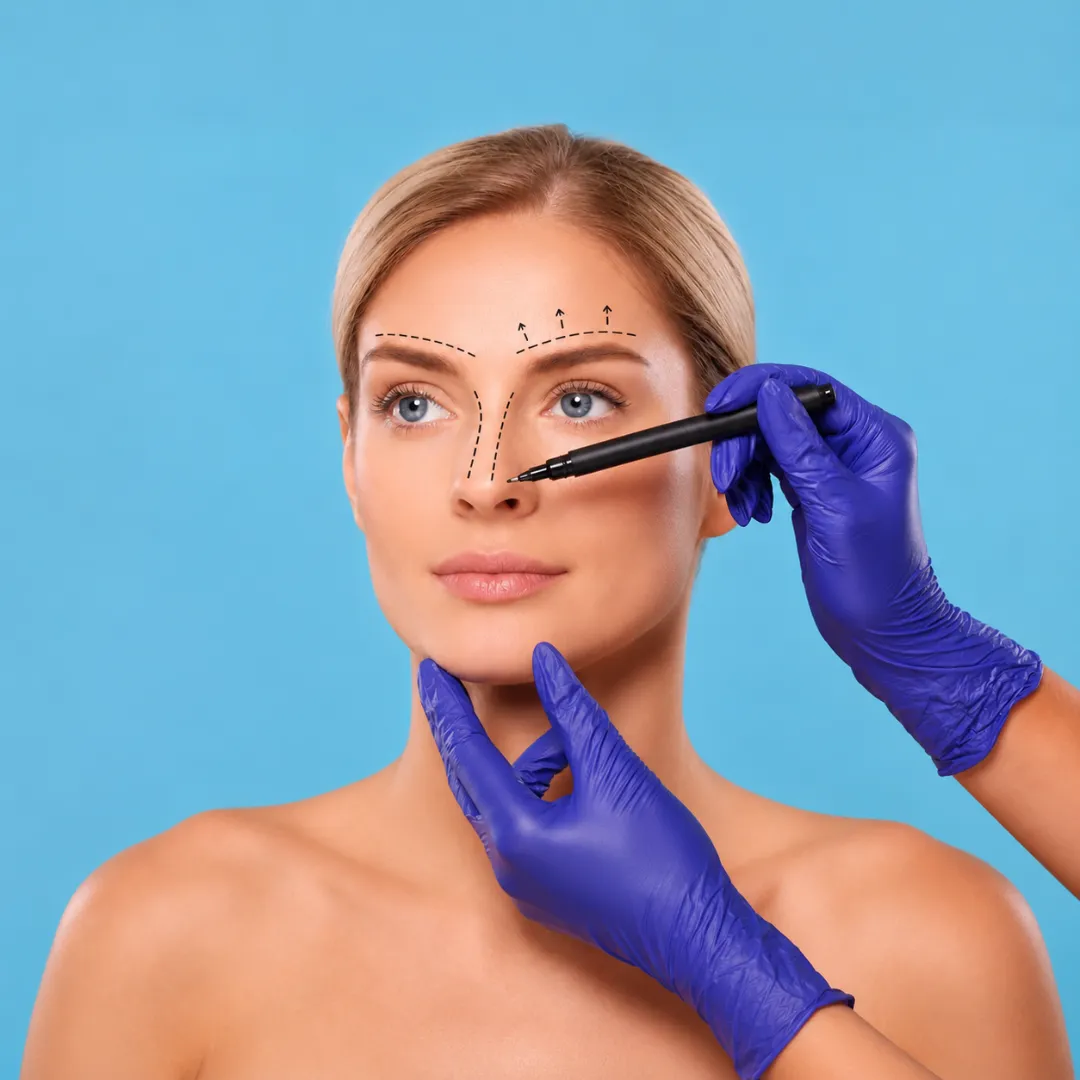
Preoperative evaluation is an important part of rhinoplasty. During the consultation, both the external appearance of the nose and its internal structures and breathing function are assessed.
- Facial and nasal proportions are evaluated.
- The nasal bones, cartilage structure, and skin characteristics are examined.
- The patient's concerns and desired changes are discussed.
- Existing breathing problems, if any, are evaluated.
- Possible surgical techniques and their limitations are explained.
Patients should clearly communicate their expectations to their surgeon. The surgeon should explain which changes may be achievable based on the patient's anatomy and discuss the limitations of the procedure.
What Is the Recovery Process After Rhinoplasty?
Swelling, edema, and bruising around the nose may occur after rhinoplasty and are part of the normal healing process. While a significant amount of swelling generally decreases during the first weeks, finer details of the nasal shape may take considerably longer to become apparent.
Recovery varies depending on skin characteristics, the surgical procedures performed, and individual healing patterns. Adequate healing time is therefore necessary before the final nasal shape can be properly evaluated.
Attending postoperative follow-up appointments and following the surgeon's individual care instructions are important parts of monitoring the recovery process.
What Should You Consider When Choosing a Rhinoplasty Surgeon?
Rhinoplasty is a detailed surgical procedure involving both the appearance and function of the nose. Experience in nasal surgery, a thorough understanding of nasal anatomy, and careful evaluation of the patient's expectations are therefore important considerations when choosing a surgeon.
During consultation, facial proportions, nasal anatomy, breathing function, and aesthetic goals should be considered together. Patients should receive clear information about the proposed procedure, recovery process, potential risks, and limitations of surgery.
Because every patient's nasal anatomy and needs are different, the surgical technique and treatment plan should be individualized. This content is intended for general informational purposes and does not replace an individual medical evaluation.