


 Request Form
  Akıllı Burun Analizi
Rhinoplasty Surgeon in Istanbul
The nose plays an important role in facial appearance and expression. It also has an essential role in breathing. Rhinoplasty planning should therefore consider both aesthetic expectations and nasal function.
Facial proportions and the structure of the nasal bones and cartilage differ from person to person. The aim is not to create the same nose for everyone, but to develop a plan suited to the individual's facial anatomy, needs and realistic expectations.
What Is Rhinoplasty?
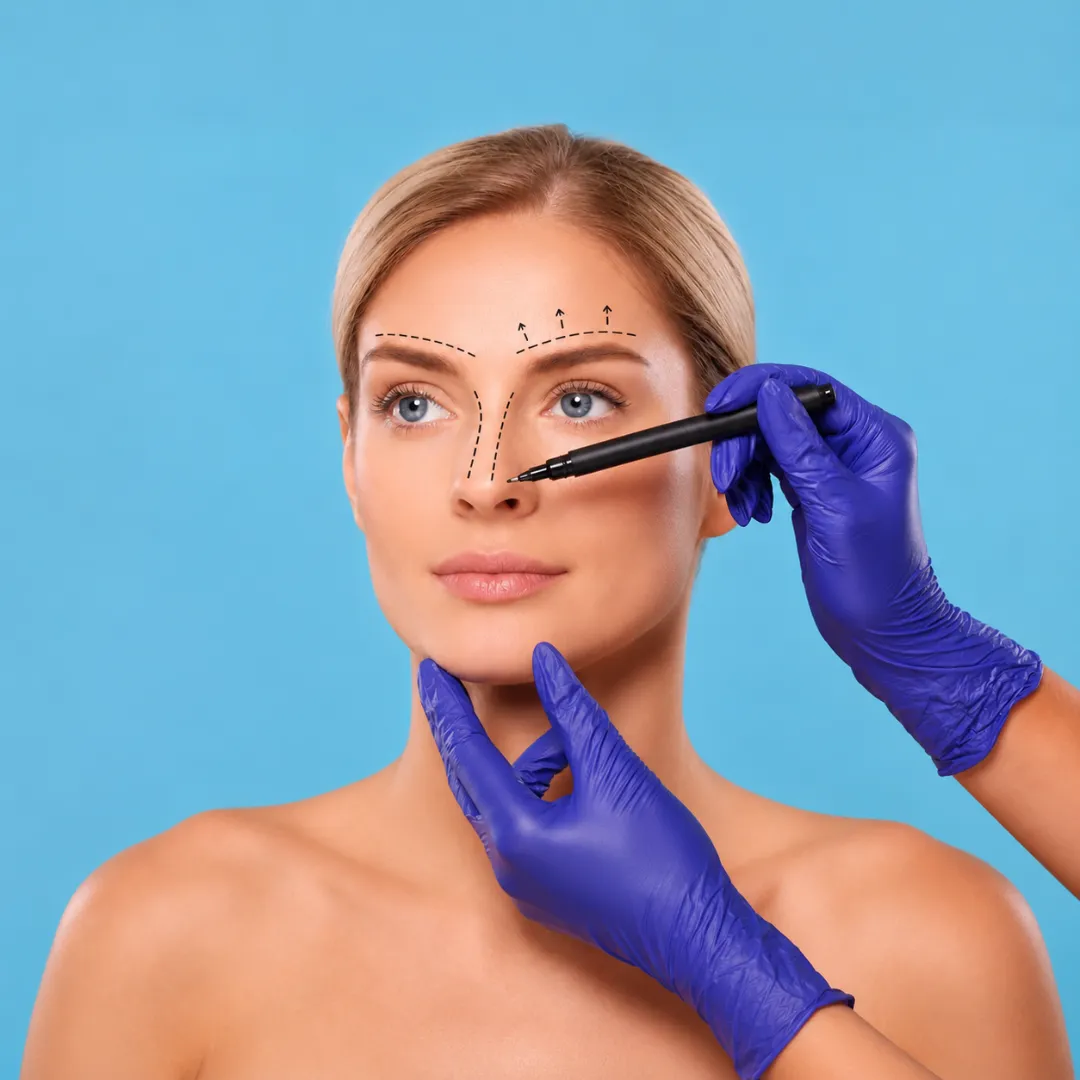
Rhinoplasty is surgery to change the shape and proportions of the nose. Features such as the nasal bridge, tip, width and asymmetry are assessed in relation to the individual's anatomy. When breathing difficulties are present, the internal nasal structures are also examined; treatment of functional problems may be included in the surgical plan when appropriate.
An aesthetic change does not mean that every breathing problem will automatically be resolved. The procedures required are determined by the clinical examination.
What Does the Preoperative Assessment Involve?
At your first consultation, it is important to explain your concerns and the features you would like to change. Previous operations, nasal injuries, existing medical conditions and current medications are also considered.
- Facial proportions, nasal structure and skin thickness are examined.
- Aesthetic expectations and any breathing difficulties are discussed.
- Possible techniques, limitations and risks are explained.
- Recovery and follow-up are discussed in relation to your individual needs.
Photographs and computer-assisted assessments can help communication. However, a simulation does not guarantee a particular surgical result.
Surgery and the First Few Days
Rhinoplasty is often performed under general anaesthesia. The duration depends on the technique and extent of surgery. The length of the hospital stay and timing of discharge also depend on your health and postoperative assessment.
Swelling, bruising, tenderness and nasal congestion may occur during the first few days. Follow your surgeon's individual instructions on medication, eating, head positioning and the use of cold compresses.
What Can You Expect During Recovery?
Initial swelling gradually decreases, but assessing the final shape of the nose takes longer. The result may take around a year to settle, and longer in some people. Skin characteristics, the procedures performed and a history of previous nasal surgery can influence recovery.
Regular follow-up appointments are important. Decisions about returning to work, exercising and wearing glasses should be based on your personal recovery plan.
Is There an Age Limit for Rhinoplasty?
For cosmetic surgery, the completion of facial and nasal growth is assessed. Age alone does not determine suitability: general health, expectations and readiness for surgery also matter. In older adults, existing medical conditions and suitability for anaesthesia are considered.
What Are the Risks of Rhinoplasty?
Like any operation, rhinoplasty involves risks. These can include bleeding, infection, anaesthesia-related complications, breathing difficulties, asymmetry, unwanted scarring and the need for further surgery. Your individual risks should be discussed in detail before the procedure.
Choosing a Rhinoplasty Surgeon in Istanbul
Consider the surgeon's specialist qualifications, experience in rhinoplasty, approach to your expectations and follow-up care. Before-and-after photographs can support the consultation, but another person's outcome does not predict the same result for you.
A higher fee alone does not mean a better outcome. Understanding which services are included, where surgery will take place and how follow-up is arranged can help you make an informed decision.
The appropriate approach is determined after an in-person consultation and individual assessment. This article provides general information and does not replace personal medical advice.